8.5 Chapter Summary and Outlook
In this chapter, we successfully added two core capabilities to the HelloAgents framework: the memory system and the RAG system.
For readers who wish to deeply learn and apply the content of this chapter, we provide the following suggestions:
From zero to one, design a basic memory module by hand and gradually iterate to add more complex features.
Try and evaluate different embedding models and retrieval strategies in projects to find the optimal solution for specific tasks.
Apply the learned memory and RAG systems to a real personal project, testing and improving capabilities in practice.
Advanced Exploration
- Track and study cutting-edge memory and RAG repositories, learning excellent implementations.
- Explore the possibility of applying RAG architecture to multimodal (text + image) or cross-modal scenarios.
- Participate in the HelloAgents open-source project, contributing your ideas and code.
Through the study of this chapter, you have not only mastered the implementation technology of Memory and RAG systems, but more importantly, understood how to transform cognitive science theory into practical engineering solutions. This interdisciplinary way of thinking will lay a solid foundation for your further development in the AI field.
Finally, let's summarize the complete knowledge system of this chapter through a mind map, as shown in Figure 8.11:
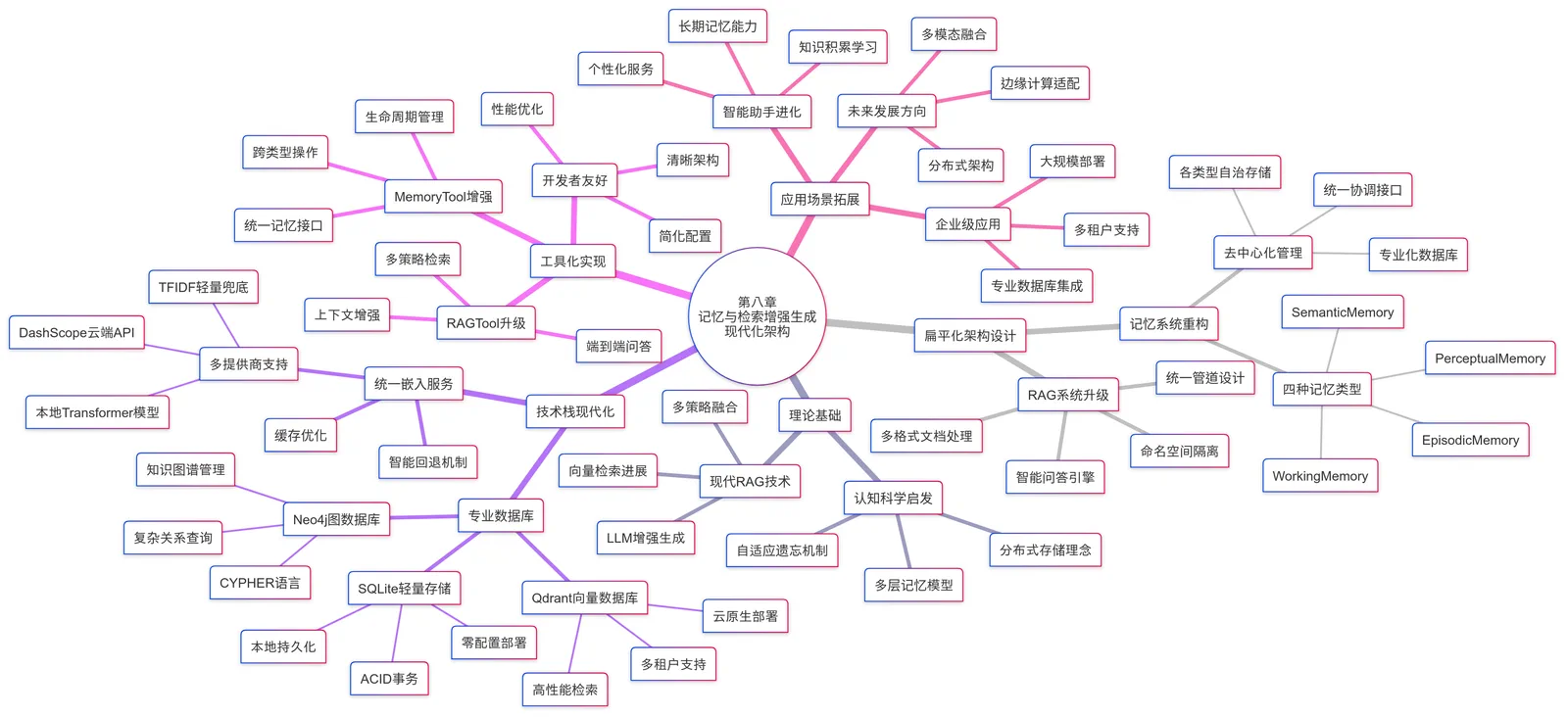
Figure 8.11 Hello-agents Chapter 8 Knowledge Summary
This chapter demonstrated the capabilities of the HelloAgents framework's memory system and RAG technology. We successfully built a truly "intelligent" learning assistant. This architecture can be easily extended to other application scenarios, such as customer service, technical support, personal assistants, and other fields.
In the next chapter, we will continue to explore how to further improve the dialogue quality and user experience of agents through context engineering. Stay tuned!