Chapter 2: History of Agents
To deeply understand why modern agents present their current form and the origins of their core design philosophies, this chapter will trace back through history: starting from the classical era of artificial intelligence, exploring how the earliest "intelligence" was defined within rule systems of logic and symbols; then witnessing the major shift from single, centralized intelligence models to distributed, collaborative intelligence thinking; and finally understanding how the "learning" paradigm completely transformed the way agents acquire capabilities, giving birth to the modern agents we see today.
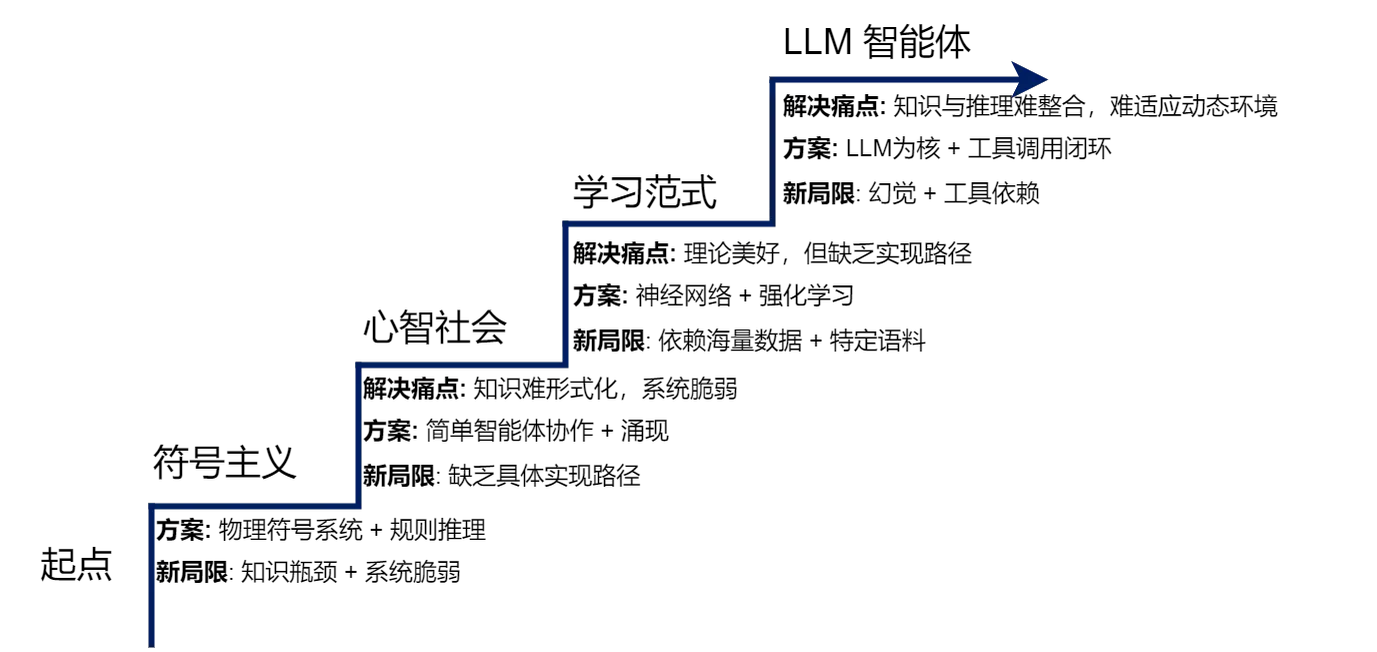
Figure 2.1 The evolutionary ladder of AI agents
As shown in Figure 2.1, the emergence of each new paradigm is to solve the core "pain points" or fundamental limitations of the previous generation paradigm. While new solutions bring capability leaps, they also introduce new "limitations" that are difficult to overcome at the time, which in turn lay the groundwork for the birth of the next generation paradigm. Understanding this "problem-driven" iterative process helps us more profoundly grasp the deep reasons and historical inevitability behind modern agent technology choices.